
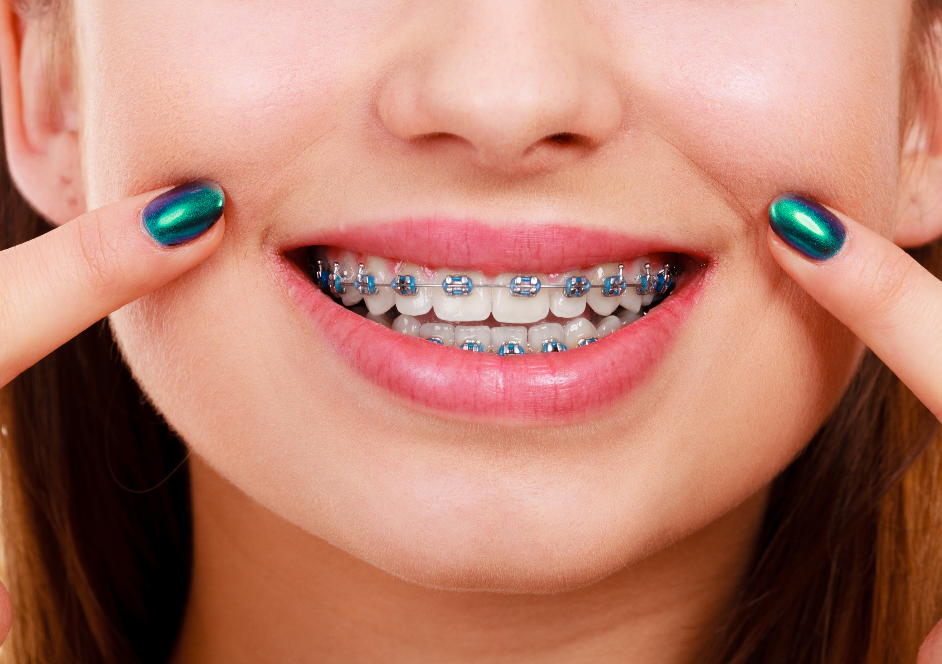
With the rise of clear aligners and other modern orthodontic options, it’s easy to assume that traditional braces are becoming a thing of the past. While newer treatments like Invisalign have made teeth straightening more discreet and flexible, there are still many situations where braces remain the most effective and predictable choice.
Braces have been used for decades because they offer precise control over tooth movement, making them especially valuable in more complex orthodontic cases. Understanding when they’re the best option can help you feel more confident if your orthodontist recommends them.
When Teeth Require Complex Movement
Traditional braces are often recommended when teeth need significant or highly controlled movement.
Because brackets are bonded directly to each tooth and connected with an archwire, braces allow orthodontists to apply continuous, carefully adjusted pressure. This makes them especially effective for correcting severe crowding, large gaps, or complex bite issues that require detailed movement in multiple directions.
In cases where precision is key, braces offer a level of control that clear aligners may not always match.
When Bite Alignment Needs Significant Correction
Braces are also commonly used to address more advanced bite issues, such as overbites, underbites, crossbites, or open bites.
These conditions involve how the upper and lower teeth fit together, not just how straight the teeth appear. Because braces can guide both tooth position and jaw alignment more directly, they are often the preferred option for more complex bite corrections.
This can help improve not only appearance, but also long-term comfort, chewing function, and wear on the teeth.
When Consistency May Be a Concern
One of the key requirements of clear aligner treatment is patient compliance. Aligners need to be worn consistently for most of the day to be effective.
For some patients—especially younger patients or those who may struggle with keeping track of removable trays—braces offer a more reliable solution. Since braces are fixed in place, they work continuously without relying on daily reminders or habits.
This can make treatment more predictable and efficient in certain situations.
When More Efficient Tooth Movement Is Needed
In some orthodontic cases, braces can achieve certain movements more efficiently than aligners.
Because the system is always active, braces can apply consistent force to teeth without being removed for meals or cleaning. This can sometimes shorten treatment time for specific types of corrections, depending on the complexity of the case.
While treatment time varies from person to person, braces remain a dependable option for steady, controlled progress.
The Lasting Benefits of Braces
Even with newer orthodontic options available, braces continue to be a trusted treatment because of their versatility and reliability. They can address a wide range of alignment and bite concerns, from mild to complex, and they offer orthodontists a high level of precision throughout treatment.
For many patients, braces remain the most straightforward path to achieving a healthy, functional, and well-aligned smile.
Sometimes, the most traditional option is still the one that delivers the most dependable results.
About the Practice
Serenity Orthodontics provides comprehensive orthodontic care for patients of all ages, offering both traditional braces and modern treatment options tailored to individual needs. The practice focuses on creating healthy, functional, and confident smiles through personalized treatment planning and attentive patient care throughout every stage of orthodontic treatment.
Call us at (678) 879-3006 or schedule your appointment online.
