
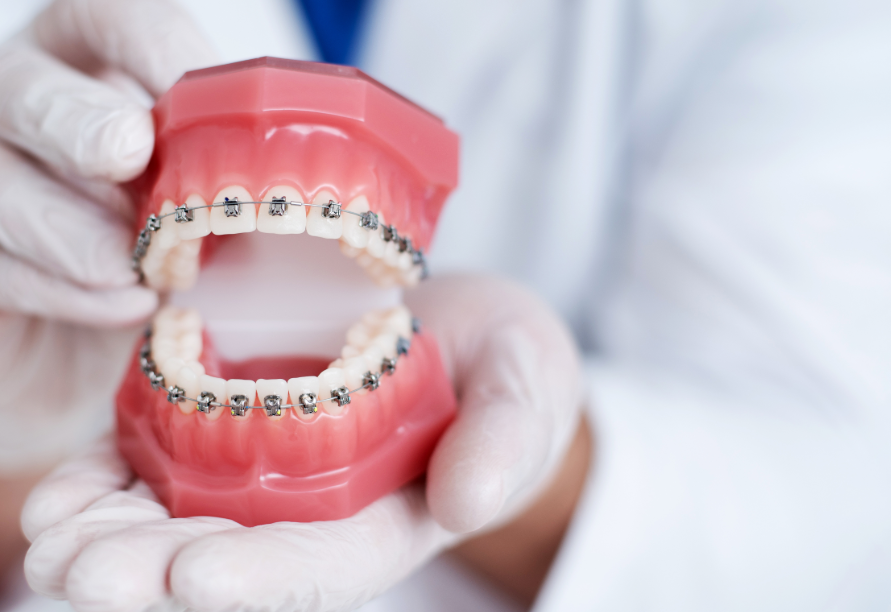
Braces have helped generations of patients create healthier, straighter smiles—and for good reason. Traditional braces are a reliable, effective way to correct crowding, spacing, bite concerns, and alignment issues. But like any orthodontic treatment, the process comes with an adjustment period.
If you’re new to braces or preparing to start treatment, it helps to know that a few minor challenges along the way are completely normal. The good news? Most common braces issues are temporary and easy to manage with a few simple tips.
Tooth Sensitivity and Soreness
One of the most common complaints after getting braces—or after adjustment appointments—is tooth soreness. This tenderness happens because your teeth are gradually shifting into new positions.
You may notice discomfort for a few days after your braces are placed or tightened. During this time, softer foods like yogurt, soup, smoothies, mashed potatoes, and pasta can make eating more comfortable.
Staying hydrated and avoiding extremely crunchy or sticky foods can also help minimize discomfort while your mouth adjusts.
Brackets and Wires Irritating Soft Tissues
Your cheeks, lips, and tongue aren’t used to braces at first, so irritation is fairly common in the beginning. Brackets and wires may rub against the inside of your mouth and create sore spots.
Orthodontic wax is one of the easiest ways to create a smooth barrier over areas that feel irritating. Over time, the soft tissues in your mouth generally adapt and become less sensitive to contact.
If a wire shifts or begins poking the inside of your mouth, contact your orthodontic office rather than trying to adjust it yourself.
Difficulty Eating Certain Foods
Braces don’t mean giving up your favorite foods forever—but they do require a few temporary adjustments.
Hard foods can damage brackets, while sticky foods may become trapped around wires and make cleaning more difficult. Foods that are commonly limited during treatment include popcorn, chewy candy, hard pretzels, ice, and gum.
Cutting food into smaller pieces and chewing carefully can make meals easier and help protect your braces.
Trouble Keeping Teeth Clean
Braces create extra places for plaque and food particles to hide, which means oral hygiene becomes even more important during treatment.
Brushing after meals, flossing carefully around wires, and using tools like floss threaders or interdental brushes can help keep teeth and gums healthy. Consistent cleaning lowers the risk of plaque buildup, staining, and gum irritation while your teeth are moving.
Loose Brackets or Broken Appliances
Even with excellent care, accidents happen. A bracket may loosen, or a wire may shift unexpectedly.
If this happens, avoid attempting repairs at home. Keep any loose pieces if possible and contact your orthodontic office for instructions. Continuing treatment with damaged hardware may delay progress or create unnecessary discomfort.
Following food recommendations and attending scheduled visits can help reduce the chance of unexpected issues.
Braces come with a learning curve, but most challenges are temporary—and every adjustment brings you one step closer to your future smile.
About the Practice
At Serenity Orthodontics, the team provides personalized orthodontic care designed to help patients feel comfortable and confident throughout treatment. Our doctors work closely with each patient to create customized treatment plans and offer guidance at every stage of the braces process. Whether patients are exploring traditional braces or other orthodontic options, the team focuses on creating healthy, lasting results.
Call us at (470) 589-4475 or schedule your appointment online.
